
- Install Windows Server 2016 Remote Desktop Services Cals
- Install Remote Desktop Services Windows Server 2016
- Install Remote Desktop Server 2016
Microsoft made a lot of improvement on Terminal Services compared to the previous versions. They also made it more complete and complex than just for single servers.
Therefore, you might be in a situation where you do not need all the bells and whistles it provides, if you just want to increase the number of concurrent Remote Desktop simultaneous users.
Install Windows Server 2016 Remote Desktop Services Cals
Unfortunately, you cannot just use the Server Manager and use the regular configuration panels as it won’t let you do so unless your server is joined to an Active Directory domain.
Here is the manual procedure to perform a standalone configuration :
03 – Choose Remote Desktop Services installation button and click next to proceed. 04 – on the Select deployment type box, click Quick Start (I choose this because I only have One Server for RDS and Remote Apps) 05 – Next, on the Select deployment scenario box, choose Session-based desktop deployment. Quick setup guide for Windows Server 2016: Join the Windows 2016 server to the Active Directory domain. Add the Remote Desktop Services role. Create a Connection Authorization Policy. This policy specifies which groups are allowed to access this Remote Desktop Gateway. Create a Resource Authorization Policy. In Windows Server 2016 & 2012 the Terminal Services role has been replaced by the Remote Desktop Session Host (RDSH) role service and is part of Remote Desktop Services (RDS). A Remote Desktop Session Host (RDSH) server, provides to remote users the ability to access the applications on the RDS host server and the company resources from.
1. Set server name and domain (FQDN) :
a. System > Computer name, domain and workgroup settings > Change settings
b. “To rename this computer or change its domain or workgroup, clickChange” > Change…
c. Make sure to enter the right name for the server in “Computer name” and click “More…” to enter the domain name at “Primary DNS suffix of this computer”
d. NOTE : Server name cannot be changed once the setup is completed, this would result of unlicensing the server if changed
2. Install the required Remote Desktop Services :
a. Server Manager > Manage > Add Roles and Features
b. Role-based or feature-based installation (Do NOT select Remote Desktop Services installation!)
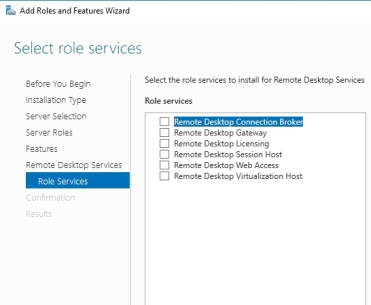
c. In Roles, check the boxes for “Remote Desktop Licensing” and “Remote Desktop Session Host”
d. Once completed, reboot the server
NOTE : The next step (#3) will show how to install the licenses if you own a Microsoft SPLA (Service Provider License Agreement), however you might likely have “Retail Package” type licenses, so simply select the appropriate that match your case in the drop down menu instead.
3. Install the SPLA licences :
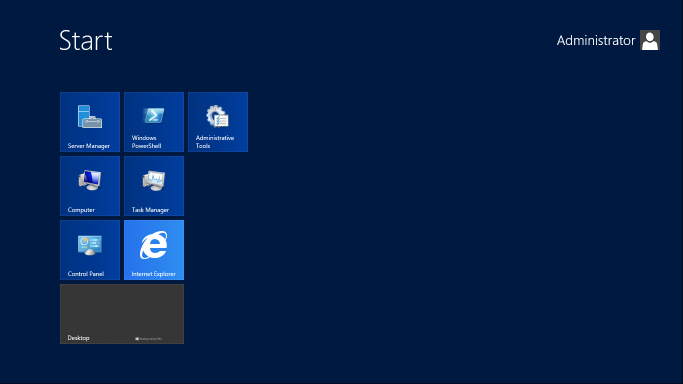
a. Administrative Tools > Remote Desktop Services > Remote Desktop Licensing Manager
b. Right click on the server name on the left pane and click Install Licences
c. At License Program drop down menu, select “Service Provider License Agreement”
d. Enter the Agreement number
e. Select the right product version
f. Select the right license type (likely RDS Per User CAL)
g. Enter the right amount of CALs in the “Quantity” field that you or the customer is paying for
4. Configure the Licensing Mode in the Group Policy Editor
a. Open the Group Policy Editor (gpedit.msc)
b. Computer Configuration > Windows Components > Remote Desktop Services :
b.a. Remote Desktop Session Host > Licensing :
b.a.i. Use the specified Remote Desktop license servers > Enter the server name
b.a.ii. Set the Remote Desktop licensing mode > Enabled > Per User
c. You may now reboot the server, setup completed.
Install Remote Desktop Services Windows Server 2016
Quick setup guide for Windows Server 2016:
- Join the Windows 2016 server to the Active Directory domain.
- Add the Remote Desktop Services role.
- Create a Connection Authorization Policy. This policy specifies which groups are allowed to access this Remote Desktop Gateway.
- Create a Resource Authorization Policy. This policy specifies which servers are allowed access by which groups.
- Purchase an SSL Certificate from a public Certificate Authority like Comodo, DigiCert, Godaddy etc.
- Apply the SSL Certificate to the Remote Desktop Gateway.
- Accept the default Remote Desktop Gateway TCP Port of 443 or change it to a port of your choosing.
- Test the Remote Desktop Connection to a server behind the Remote Desktop Gateway DIRECTLY from the Remote Desktop Gateway server. This is to ensure that there is connectivity from the Remote Desktop Gateway to the servers that clients will need to connect to.
- Modify or create your firewall Rule to allow the Remote Desktop Gateway port to the Remote Desktop Gateway server.
- Test the Remote Desktop Connection to a server behind the Remote Desktop Gateway from the internet. You need to configure the Remote Desktop Client with the Remote Desktop Gateway address and port number.
Install Remote Desktop Server 2016

Configuring the RD Client to use the Remote Desktop Gateway
- Verify the external server name or IP address and Port for the Remote Desktop Gateway
- Install an SSL Certificate on the Remote Desktop Gateway
- IF USING A SELF-SIGNED SSL CERTIFICATE: Trusting the Self-Signed SSL Certificate on the client. This step is optional on Mac clients, but MUST be done on Windows PCs to connect.
- Configuring the Remote Desktop client on the Mac AND/OR configuring the Remote Desktop client on Windows.
References